
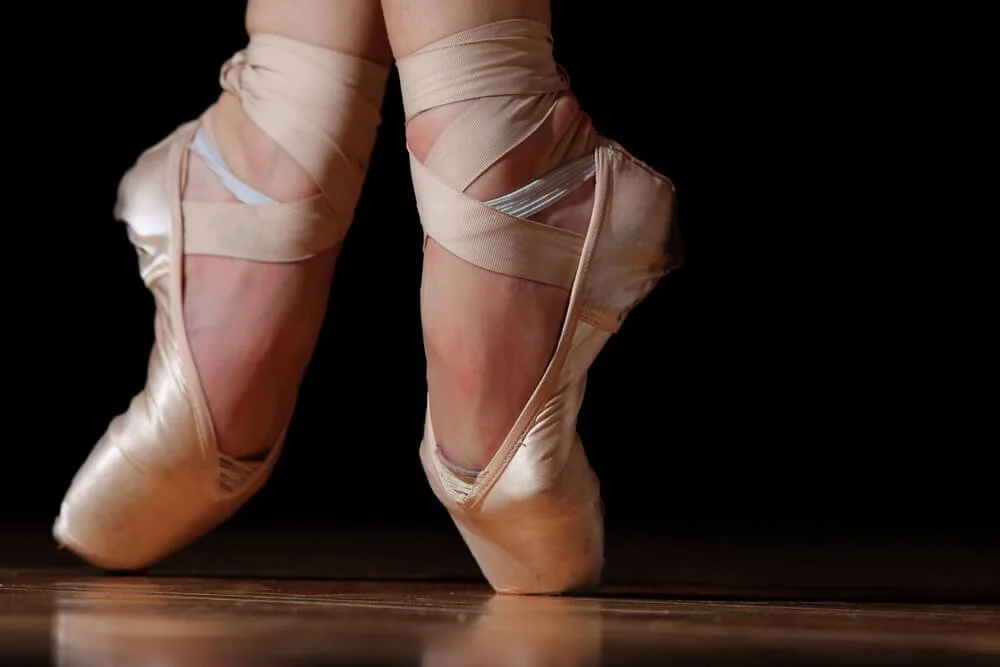
Trigger toe is an uncommon but increasingly recognized condition affecting the big toe, medically linked to stenosing tenosynovitis of the flexor hallucis longus (FHL) tendon. While historically associated with ballet dancers, especially those performing en pointe, trigger toe has gained broader attention over the last three years as podiatrists identify it in athletes, fitness enthusiasts, and patients with biomechanical or inflammatory risk factors.
What Is Trigger Toe?
Trigger toe occurs when the tendon responsible for bending the big toe becomes irritated or thickened and can no longer glide smoothly through its surrounding sheath. This results in a catching, clicking, or locking sensation localized to the foot. Repetitive microtrauma, rather than a single injury, is often the underlying cause.
What Can Trigger a Trigger Toe?
Although ballet remains a classic risk factor, modern causes extend beyond dance. Activities that place repetitive, high-load stress on the forefoot can contribute, including:
Pointe work, demi-pointe, and releve movements in dance
Sprinting, soccer, and gymnastics
CrossFit-style workouts with forefoot loading
Poorly fitted footwear or rigid toe boxes
Foot structure abnormalities such as high arches or limited ankle mobility
Systemic conditions such as diabetes, inflammatory arthritis, and tendon degeneration associated with aging have also been highlighted in recent studies as contributing factors.
Seven Symptoms to Watch For
Trigger toe often begins subtly. Early symptoms may include:
Pain when rising onto the toes or pushing off while walking
Discomfort that improves with rest
A clicking or snapping sensation in the big toe
Temporary locking of the toe in a bent position
Reduced flexibility or stiffness, especially in the morning
In more advanced cases, patients may need to manually straighten the toe, signaling significant tendon involvement.
Why Early Diagnosis Of Trigger Toe Matters
One of the key advances in the last few years is improved diagnostic accuracy using dynamic ultrasound and MRI. These tools allow podiatrists to visualize tendon motion in real time, leading to earlier detection and more targeted treatment. Early intervention significantly reduces the likelihood of surgical intervention.
Management Options For Trigger Toe
Treatment is guided by severity and activity level. Current best practices include:
Conservative care: Rest, activity modification, ice therapy, and short-term use of NSAIDs to reduce inflammation
Targeted rehabilitation: Foot and ankle strengthening, tendon-gliding exercises, and mobility work tailored to dancers and athletes
Orthotic support: Custom orthotics to offload pressure from the big toe joint
Injection therapy: In select cases, ultrasound-guided injections may be used to reduce tendon inflammation
Surgery is reserved for severe or persistent cases and involves releasing the constricted tendon sheath to restore smooth motion.
Expert Podiatric Care in Hudson, FL
If you’re experiencing big toe pain, clicking, or locking, early evaluation is essential.
Dr. Lawrence Kales, Podiatrist and Foot Surgeon, specializes in diagnosing and treating complex foot conditions, including trigger toe, with a focus on dancers and active individuals.
Schedule Your Comprehensive Foot Examination
Pasco-Hernando Foot & Ankle
Hudson, Florida
Call 727-868-2128 or request an appointment online
Early care keeps you moving, pain free and confident on your feet.